


Updated September 2026
Characters a person has to work
Puppet Designer
Marionettes, rod puppets, carried heads, and shadow work
Puppet Design & Puppet Making
Oddtoe is an experiential design and generative-AI animation studio based in Melbourne, creating projection, installation, and animated work for events, venues, and galleries. As a puppet designer, I design characters that somebody operates — on strings, on a pole, or worn — and the mechanics that let them do it. That covers a stage puppet, a head carried through a street, and a character worked on a screen.
Every puppet is a machine and a face at the same time. Where a joint sits and where a string attaches decide what the character can do, and those get settled while the drawing is still open. I learned that part by building and stringing marionettes, and it still decides where I start. See mascot design for characters with a person inside, or character design for the artwork side.
Puppet design, puppet making, and the mechanics underneath
Puppet Designer & Puppet Maker
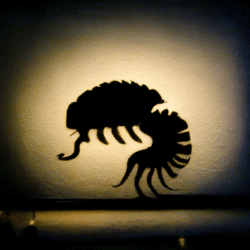
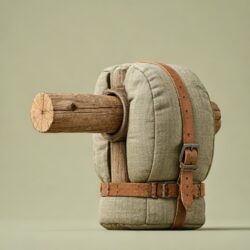
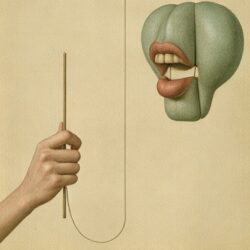
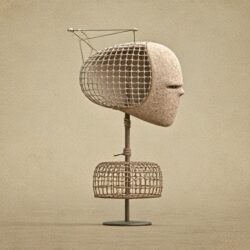
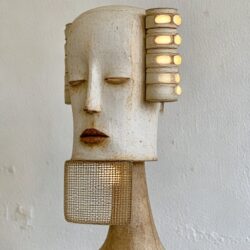
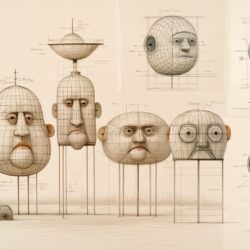
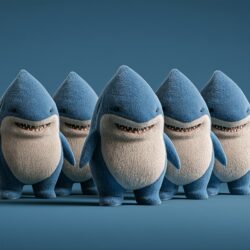
The character, and the mechanics under it
What Does a Puppet Designer Do?
A puppet designer decides who the character is and how a person works it. Those are the same decision. A jaw that opens changes the face; a hand that has to hold a pole at head height for two hours changes the weight, and the weight changes the whole build.
Get the order wrong and you end up with a beautiful drawing nobody can operate.
So the mechanics come in early: where the joints go, where the strings or rods attach, how the head is carried, how the puppeteer sees out, and how the whole thing comes apart to travel.
The visible half is the character. The half that decides whether it works is underneath. Related practices often land in the same commission — prop making and animatronics.
A character, a mechanism, and a set of drawings someone can build from
What Goes Into an Oddtoe Puppet Design?
A character definition, a 3D model seen from every angle, a mechanism worked out against a human body, and drawings a maker can build from.
The forms this ends up in each have their own page:
• Worn characters and mascots
• Giant inflatables and walk-in structures
• Props and fabricated objects
• Projection and screen work
Everything is designed in 3D, which means the character is animated and seen moving before anything is cut. You watch the walk, the turn and the jaw before committing to a build.
The same model then does the other jobs: the renders that get the piece approved, the animated content it appears in, and a larger version of the character later if the job grows.
One word, three different objects
Three Kinds of Puppet
Most briefs arrive asking for a puppet. Almost always it is one of these three, and which one is decided by where it appears and who has to work it.
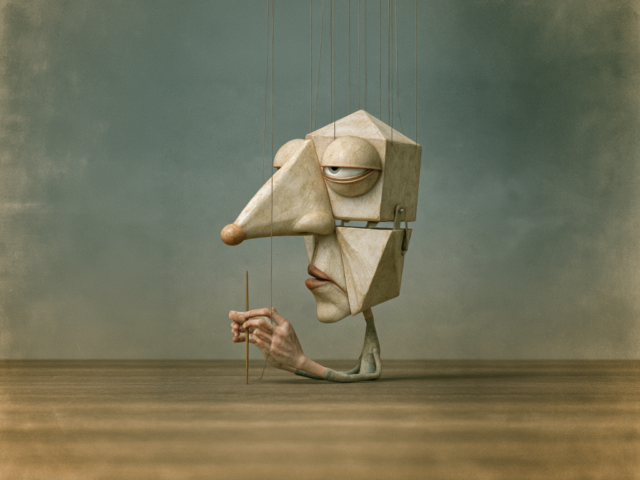
Marionette
Hung from a control bar above and worked from a bridge or a ladder. Gravity does a lot of the acting, which is why a marionette moves the way nothing else does. It suits a stage and an audience sitting close.
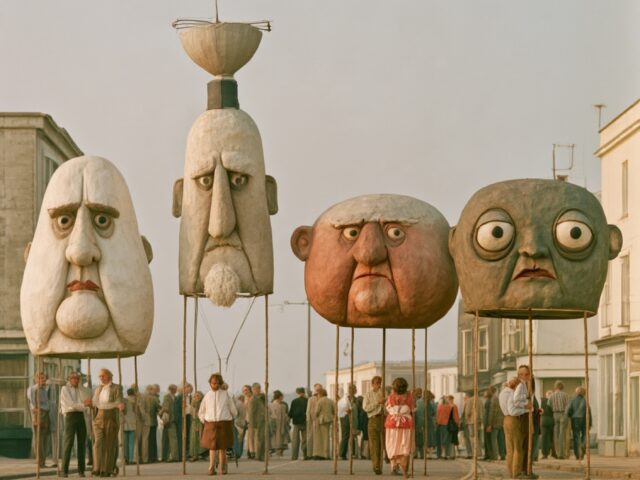
Rod & Carried
Held up from below or behind. Stronger, faster, and far better outdoors, so nearly everything built for a street, a parade or a festival is rod or carried. Height is the point: it has to be seen over a crowd.
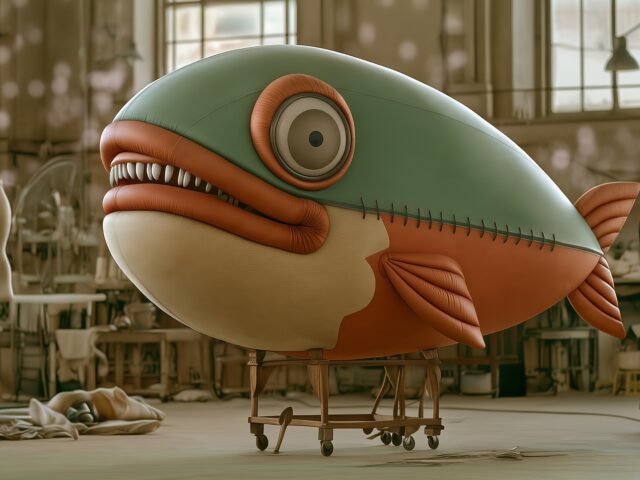
Worn Character
A performer inside the character, shaking hands and being photographed. The design problem moves to sightlines, weight and ventilation. Oddtoe designs these and a specialist maker builds them.
Which one does your job need?
Marionette, Rod Puppet, or Worn Character?
Most briefs arrive asking for a puppet. Which of these three it turns out to be is decided by where it appears and who has to work it.
| Marionette | Rod or carried puppet | Worn character | |
|---|---|---|---|
| How it is worked | Strings from a control bar above | Poles from below or behind | A performer wearing the character |
| Where it suits | Indoors, close up, on a stage | Streets, festivals, parades, crowds | Match days, store openings, expos |
| What it is good at | Fine, strange, floating movement | Height, speed, and standing up to weather | Handshakes, photos, direct contact |
| Puppeteer visible? | Hidden above, or in view by choice | In view, usually dressed as part of it | Fully inside the character |
| Takes to travel | Tangles; needs a case and a rack | Comes apart into poles and a body | Packs into a costume case |
| What Oddtoe delivers | Character, mechanism, stringing plan | Character, 3D model, build drawings | Character, 3D model, maker-ready spec |
Theatres, festivals, campaigns, and screens
Who Commissions a Puppet Designer?
Theatre companies, festivals, campaign organisers, museums, brands, and producers. The craft is the same each time. What changes is how close the audience gets.
Theatre and children’s programs commission characters for a stage, where the audience is near and small movements read.
Festivals and parades commission carried and rod work, built tall enough to be seen over a crowd and tough enough for a day outdoors.
Campaigns and protests commission oversized heads that a group carries through a street. That brief has its own page: publicity stunts and cheeky PR campaigns.
Museums and galleries commission puppetry inside an exhibition or a late opening, often crossed with projection, and usually built to run unattended for weeks rather than for one night.
Producers and brands commission characters that are puppeteered on screen, or a physical character that also lives in animation.
Where the craft was learned
Why Oddtoe Makes Puppets
In 2004 I trained under Christopher Piper at The Puppet Co. in Glen Echo Park, Maryland. He is a second-generation puppeteer — his father ran a travelling show out of Hawaii — and what I learned from him was building and stringing marionettes.
Stringing is the part nobody watches. Where each string attaches decides what the puppet is able to do, and a head hung a centimetre out will never look alive, whoever is working it. You find that out by getting it wrong and restringing it.
That company had hundreds of puppets and a new theatre to fill, so the work was constant and the standard was set by people who had been doing it for twenty years. It is the most useful apprenticeship I have had.
Everything since has been the same problem at a different size. A head carried on a pole through a street, a costume with a person inside it, a character puppeteered live through a projector — all of them are objects a human being has to operate. The ones that fail are the ones where that was worked out after the drawing was finished.
Questions about
Puppet design?

Interested in seeing more…
character work?
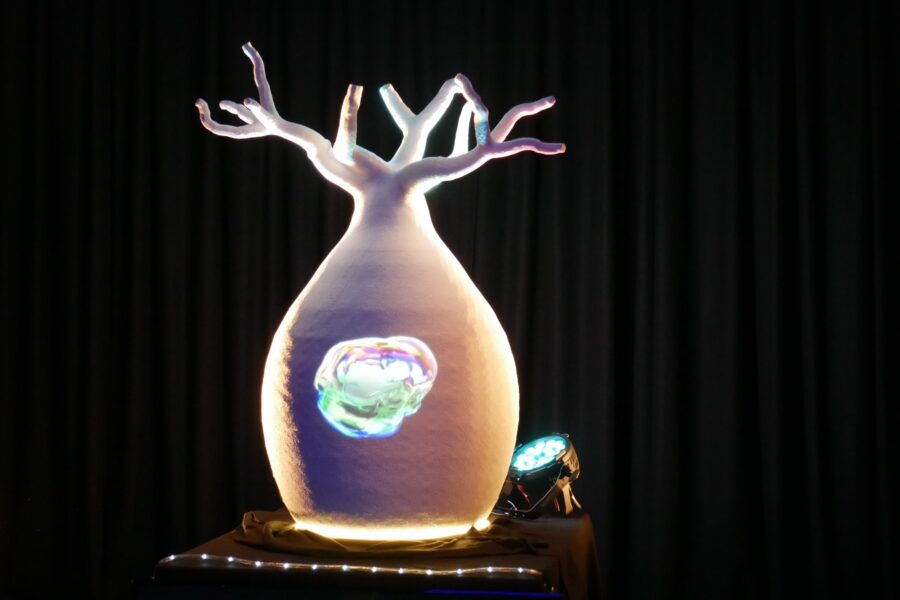
A 2.1-metre carved baobab, lit and projection-mapped, built for Oddtoe's children's show at the Melbourne International Comedy Festival.

Sculpture design case study of Oddtoe's limited edition, "Roman General with Pinkeye".

The comic panel, Oddtoe, a gag cartoon unique in the world.

Commission a puppet from someone who strung them first.
Interested in working with Oddtoe?
"*" indicates required fields